1. Don’t Reuse Passwords
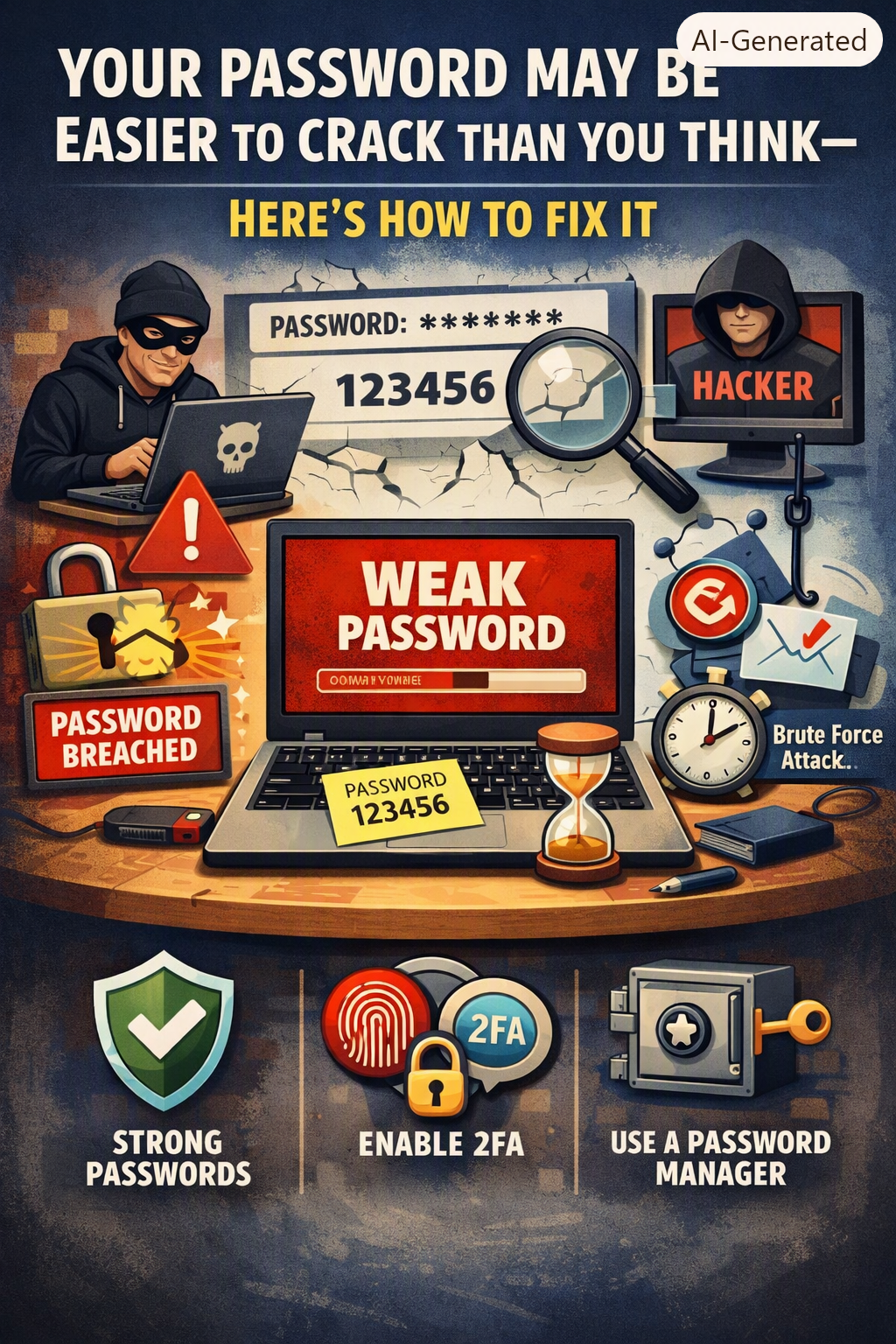
If a site gets hacked and you’ve used the same password elsewhere, attackers might try it on your email, bank, or shopping accounts. Use a unique password for every important account. A password manager can help create and safely store strong ones.
2. Enable Two-Factor Authentication
Passwords alone aren’t enough anymore. Two-factor authentication (2FA) adds an extra step before anyone can get in. Even if someone gets your password, this extra layer can stop them. Whenever possible, use an authentication app or security key instead of SMS.
3. Think Before You Click
Scammers often send urgent-sounding messages like:
“Your account will be suspended.”
“You’ve won a prize.”
“Verify your payment immediately.”
They want you to act without thinking. Always double-check the sender, and if unsure, go to the official website directly.
4. Keep Your Devices Updated
Updates aren’t just for new features—they fix security bugs that criminals try to exploit. Turn on automatic updates for your phone, computer, browser, and apps when you can.
5. Be Cautious on Public Wi-Fi
Free Wi-Fi in airports, cafés, hotels, and malls is handy but not always safe. Avoid logging into sensitive accounts unless you trust the network or use a good VPN.
6. Only Download Trusted Apps
Fake apps can hide malware that steals passwords, banking info, or personal files. Stick to official app stores and check reviews, permissions, and the developer before installing.
7. Back Up Important Files
Devices don’t last forever, and ransomware can lock you out of your data. Regularly back up your files—whether to secure cloud storage or an external drive—so you’re prepared for anything.